Introduction: The Fall of Modern Sorcery's Titan
When Gege Akutami's Jujutsu Kaisen officially concluded its grueling, six-year run in September 2024 across 271 chapters, it marked the end of an era for modern dark shonen manga. For years, the series stood proudly alongside giants like Demon Slayer and Chainsaw Man, redefining expectations with its breakneck pacing, high-stakes casualties, and a magic system rooted in negative human emotions. Yet, the final stretch—centering on the monumental Shinjuku Showdown arc against the King of Curses, Ryomen Sukuna—triggered a polarized debate that continues to reverberate through the anime and manga community. Did Akutami stick the landing, or did the pressure of a weekly serialization schedule force a premature, underwhelming conclusion?
Summary of the Final Conflict (Spoiler Warning)
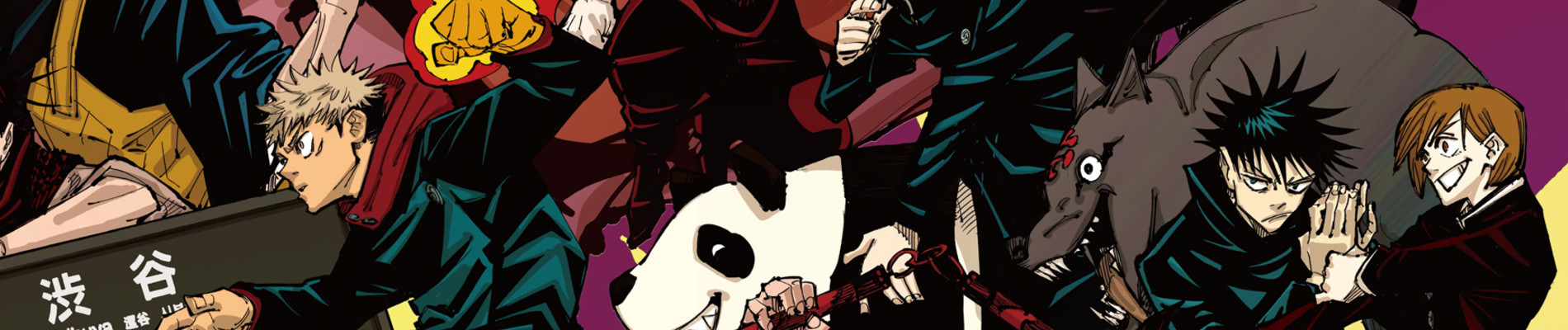
The closing acts of Jujutsu Kaisen focused almost exclusively on a war of attrition against Ryomen Sukuna, who had hijacked Megumi Fushiguro's body. Following the devastating losses of fan-favorite characters like Satoru Gojo and Kento Nanami earlier in the narrative, the remaining sorcerers—spearheaded by Yuji Itadori, Yuta Okkotsu, and a miraculously returned Nobara Kugisaki—engaged in a sequential, highly tactical gauntlet. Every available combatant pushed past their physical and mental limits to whittle down Sukuna's reserves.
Ultimately, Yuji unlocked his own domain expansion and tapped into the true nature of his cursed energy, bridging the gap between human and cursed object. With the timely assistance of his peers, Yuji dismantled Sukuna from the inside out, saving Megumi in the process. However, instead of plunging the surviving cast into a grim, post-apocalyptic wasteland, the final chapters pivot sharply into a peaceful, lighthearted epilogue where the core trio returns to standard low-level curse-extermination missions, resembling a more functional version of Gojo's youth.
In-Depth Narrative & Character Analysis
The primary critique leveled against the Jujutsu Kaisen finale is not necessarily that the heroes won, but how they arrived at peace. For a series built on the premise that sorcerers inevitably meet gruesome, unfair ends, the final chapters suddenly swerved into a surprisingly forgiving direction. Several major narrative threads felt abruptly trimmed or entirely abandoned:
- Rushed Plot Mechanics: Complex concepts introduced late in the game—such as the military intervention subplot or the ultimate stakes of Kenjaku's Merger—were largely brushed aside or resolved through narrative convenience rather than systematic payoff.
- The Weight of Sacrifice: Characters who suffered catastrophic injuries or apparent deaths during the Culling Games and Shinjuku Showdown were walked back or brushed off with minimal time dedicated to collective mourning or psychological processing.
- Yuji's Thematic Triumph: On a positive note, Yuji Itadori's character arc stands as a masterclass in thematic consistency. Rejecting Sukuna's cynical nihilism, Yuji embodies Satoru Gojo's ultimate dream: fostering a generation of strong, empathetic youths who view each other as human beings rather than disposable weapons.
"Yuji's transformation from a terrified vessel into an emotionally mature pillar of the Jujutsu world anchors an otherwise chaotic final act."
Pros & Cons of the Conclusion
To fully understand the legacy of Akutami's finale, we must weigh its artistic achievements against its structural flaws:
- Pros:
- Delivers a genuinely happy ending for characters who suffered immensely, defying pure misery porn.
- Provides emotional closure for the core trio (Yuji, Megumi, and Nobara).
- Maintains the snappy action choreography and creative application of cursed techniques right up to the final clash.
- Cons:
- Rushed pacing in the final handful of chapters leaves major lore questions unanswered.
- Certain character arcs (such as Megumi's agency post-possession) feel abbreviated.
- Abrupt tonal whiplash between gritty, high-fatality horror and a lighthearted, slice-of-life epilogue.
Final Conclusion & Verdict
Overall Rating: 7.5/10
Jujutsu Kaisen may not have delivered the airtight, flawless masterpiece execution that some fans anticipated during its peak popularity. The weekly grind undeniably took its toll on the narrative structure, resulting in a conclusion that feels more like an abrupt transition than an overarching historical punctuation mark. However, its core emotional beats—celebrating human connection in the face of a cruel universe—remain entirely intact.
This manga conclusion is recommended for dedicated shonen fans who appreciate high-octane battles and character-driven chemistry, even if they must make peace with a few loose plot threads along the way. As MAPPA continues to adapt the remaining arcs into the anime format, studio expansions and structural adjustments may yet smooth out the rough edges that plagued the manga's final pages.