Introduction: The Return of a Shonen Titan
When the original Bleach anime adaptation concluded in 2012 following the Lost Substitute Shinigami arc, fans were left with a bittersweet taste. Studio Pierrot’s long-running television series had caught up to Tite Kubo’s manga, forcing an abrupt end that left the definitive final chapter—the Thousand-Year Blood War—untold on screens. For a decade, the fate of Ichigo Kurosaki and the Soul Society remained confined to manga panels. However, the landscape of modern anime changed drastically when Studio Pierrot returned with a vengeance under its PIERROT FILMS label, delivering a masterclass in seasonal adaptation that reestablished Bleach among the elite tiers of modern action anime.
Summary and Premise
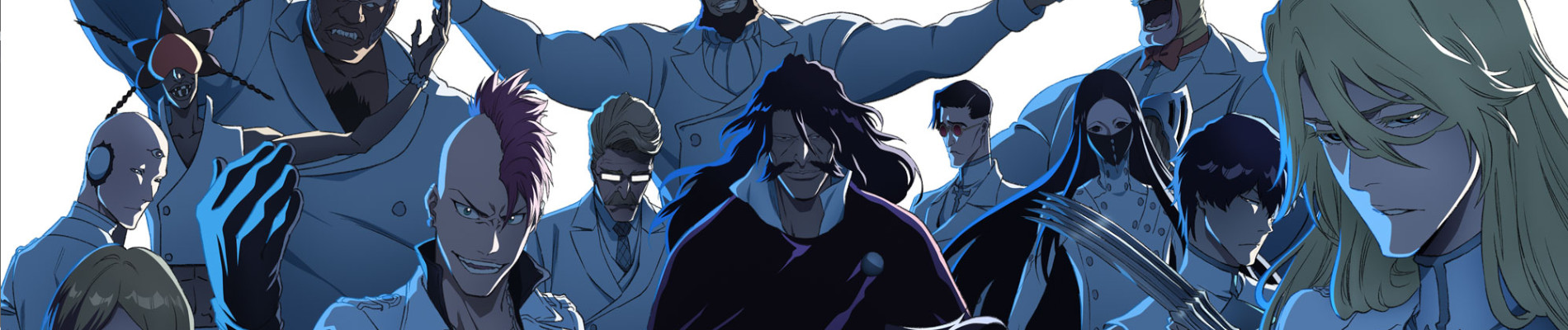
Bleach: Thousand-Year Blood War plunges viewers into an apocalyptic conflict that shatters the fragile peace of the Soul Society. Hollows are suddenly vanishing in massive numbers across the World of the Living, triggering a state of emergency. The root cause is soon revealed: the Wandenreich, an empire of Quincies led by the ancient progenitor Yhwach, has declared total war on the Soul Reapers. Seeking bloody vengeance for a genocide committed centuries ago, the Quincies launch a devastating surprise invasion of Seireitei, stripping Captains of their stolen Bankai and leaving mass casualties in their wake. Ichigo Kurosaki and his friends find themselves pushed past their absolute limits as they navigate ancient bloodlines, shocking betrayals, and the dark secrets of Soul Society's creation.
In-Depth Narrative and Lore Analysis
What sets the Thousand-Year Blood War adaptation apart from standard shonen fare is Tite Kubo's direct collaboration with the production team to address criticisms of the original manga's rushed ending. Kubo utilized the anime as a second chance, weaving in extended lore, expanded battle sequences, and crucial anime-original scenes that enrich the narrative depth.
- Elucidating History: The exploration of Squad Zero—the Royal Guard—and the true origins of the Soul Reaper powers provide long-awaited closure to centuries-old mysteries.
- Character Nuance: Key figures like Uryu Ishida receive profound psychological exploration, balancing loyalty to his Quincy heritage against his deep bonds with his human and Soul Reaper friends.
- Pacing and Stakes: Unlike the padding of the 2000s adaptation, the seasonal format allows for razor-sharp pacing, ensuring every confrontation feels monumental and consequential.
Visuals, Audio, and Production Excellence
From a technical standpoint, Studio Pierrot elevated Bleach into a visual spectacle. Directed with cinematic flair, the series employs a vibrant yet moody color palette that shifts seamlessly from the sterile white aesthetic of the Wandenreich to the traditional ink-wash tones of the Soul Society. Action choreography is fluid, blending traditional hand-drawn sakuga with subtle CGI enhancements that make Bankai releases and grand-scale Quincy techniques pop off the screen.
Musically, composer Shiro Sagisu returns to deliver a majestic, genre-blending score. Marrying choral hymns, heavy electric guitars, and haunting orchestral arrangements, the soundtrack elevates pivotal emotional beats and high-stakes combat alike. Voice acting performances, led by Masakazu Morita as Ichigo and Takayuki Sugo as Yhwach, anchor the epic scale with raw, emotional gravity.
Pros and Cons
Strengths
- Stunning, modern animation and cinematic direction that honors Tite Kubo’s iconic art style.
- Valuable anime-original content and expanded fight scenes that fix loose threads from the manga.
- An incredible musical score by Shiro Sagisu that defines modern shonen audio design.
Weaknesses
- The sheer density of characters and lore can occasionally overwhelm casual viewers.
- Split-cour broadcast schedules require long waiting periods between major arcs.
Final Conclusion and Recommendation
Bleach: Thousand-Year Blood War stands as a monumental triumph—a rare instance where a classic franchise receives the prestige adaptation it always deserved. It earns a stellar 9.5/10 rating for its breathtaking execution and reverence for the source material. This series is an absolute must-watch for veteran fans who waited a decade for closure, as well as modern anime enthusiasts who appreciate high-stakes dark fantasy, immaculate art direction, and unforgettable battles.