Introduction: The Escalation of Jujutsu High's Darkest Chapter
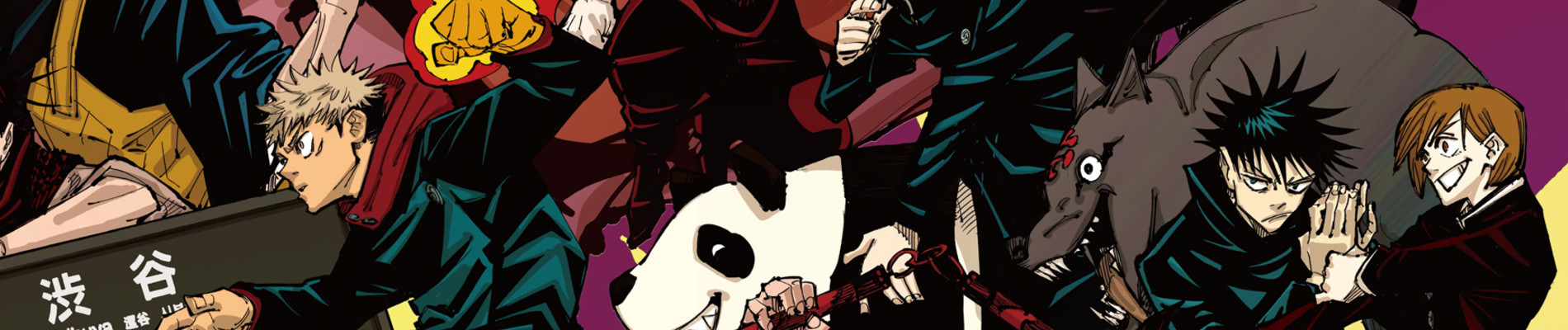
Following the cataclysmic events of the Shibuya Incident, Gege Akutami’s Jujutsu Kaisen transitioned from a standard dark shōnen supernatural thriller into a full-scale battle royale survival horror saga. Directed by Shota Goshozono at studio MAPPA, Season 3 takes on the daunting task of adapting the sprawling Culling Game Arc—a massive, high-stakes tournament designed by the ancient sorcerer Kenjaku to reset Japanese sorcery and force the evolution of humanity through merging with Master Tengen. As Jujutsu Society crumbles under political infighting and external chaos, protagonist Yuji Itadori and his remaining allies are thrust into an unforgiving arena where every new opponent wields deadly, intricate domain mechanics and morally ambiguous philosophies.
This article provides an exhaustive critical breakdown of Jujutsu Kaisen Season 3, evaluating its story pacing, character evolutions, visual direction, audio landscape, and overall placement within modern action anime history. Whether you are a manga veteran comparing adaptations or an anime-only fan deciphering complex domain expansions, this analysis unpacks every dimension of the current season.
Plot Summary & Context (Spoiler Warning)
Spoiler Warning: The following summary covers major setup elements and character dynamics from the Culling Game Arc.
In the immediate aftermath of Shibuya, Japan is plunged into absolute disarray. Gojo Satoru remains sealed inside the Prison Realm, while the Jujutsu Headquarters executes a ruthless power grab, declaring Yuji Itadori's suspended death sentence reinstated and appointing Special Grade sorcerer Yuta Okkotsu as his official executioner. Simultaneously, Kenjaku releases millions of cursed spirits across the country and activates non-sorcerers who were marked with innate techniques or forced into ancient binding vows, initiating the Culling Game.
The Culling Game functions as a deadly battle-royale across ten designated barrier colonies in Japan. Modern sorcerers, ancient revived warriors, and newly awakened humans must fight to points-swap, establish new rules, and survive. Yuji, Megumi Fushiguro, Panda, and Maki Zen'in split up across colonies to gather points, rescue Megumi's step-sister Tsumiki, and locate the mysterious sorcerer Hana Kurusu (Angel), who possesses the ability to extinguish cursed techniques and unseal Gojo Satoru.
In-Depth Narrative & Structural Analysis
1. Pacing and Narrative Restructuring
Adapting the Culling Game arc presented a unique structural challenge for MAPPA. Unlike previous arcs that followed a single linear path, the Culling Game is inherently decentralized, shifting rapidly between distinct colonies like Tokyo Colony No. 1, Tokyo Colony No. 2, and Sendai Colony. The anime handles this multi-front structure by leaning heavily into episodic focus, allowing key match-ups—such as Yuta Okkotsu versus the Sendai Big Three or Kinji Hakari versus Hajime Kashimo—to breathe without feeling chopped up by constant perspective cuts.
2. Deconstruction of the Shōnen Protagonist
Yuji Itadori’s psychological state during Season 3 marks one of the most compelling character studies in modern shōnen. Stripped of his mentor Gojo, carrying the crushing guilt of Ryomen Sukuna’s destructive rampage in Shibuya, Yuji no longer operates under his original ideal of granting people a proper death. Instead, he views himself purely as a cog in a machine—a tool designed to eliminate curses until his own life expires. This existential dread contrasts sharply with Megumi Fushiguro’s desperate pragmatism as he pushes his moral boundaries to save Tsumiki, creating a stark emotional foil between the two leads.
3. The Zen'in Clan Tragedy & Maki's Transformation
One of the narrative high points of the arc is the brutal exploration of the Zen'in clan hierarchy. Maki Zen'in's story trajectory mirrors the tragic path of Toji Fushiguro, culminating in a jaw-dropping, blood-soaked confrontation against her own family. This sequence elevates Maki from a secondary support character to an absolute powerhouse, delivering raw emotional catharsis alongside dark thematic explorations of patriarchal oppression, familial betrayal, and freedom through sacrifice.
4. Complexity of Cursed Energy Mechanics
The Culling Game introduces some of the most intricate battle mechanics in modern anime. From Kinji Hakari’s pachinko-themed domain expansion Idle Death Gamble to Hiromi Higuruma’s legal-system-based Deadly Sentencing, combat in Season 3 relies as much on legal loopholes, probability math, and tactical deduction as it does on physical martial arts. While this heightens intellectual engagement for hardcore fans, it occasionally creates expository heavy episodes where visual action pauses for detailed mechanical rule explanations.
Visuals, Animation Quality & Audio Production
1. MAPPA's Visual Aesthetics and Choreography
Under director Shota Goshozono, studio MAPPA continues to push visual limits, utilizing dynamic camera movements, hand-drawn impact frames, and hybrid 3D environments to depict high-speed sorcery battles. The director's use of gritty, desaturated color palettes amplifies the apocalyptic tone of ruined Japanese cities. Character designs by Yosuke Yajima and Hiromi Niwa retain Gege Akutami's signature sharp, sketched ink lines, maintaining an edge of raw tension throughout every combat exchange.
2. Kinematics and Cinematic Direction
Action choreography in Season 3 emphasizes physical momentum, spatial weight, and brutal impact. The Sendai Colony multi-person fight dynamic is rendered with extreme fluidity, seamlessly shifting between close-quarters hand-to-hand combat and explosive energy output. Domain expansions are treated as cinematic events, featuring surreal art style shifts—ranging from film-noir monochrome aesthetics to retro arcade lighting effects.
3. Soundtrack and Sound Design
Composed by Yoshimasa Terui alongside returns from the franchise sound team, the soundtrack for Season 3 balances heavy industrial electronic tracks, aggressive hip-hop beats, and haunting orchestral motifs. The sound design delivers immense tactile weight—every punch, domain shatter, and cursed energy burst carries deep bass resonance that elevates the intensity of each encounter.
4. Voice Acting Performances
The voice cast delivers career-defining performances across the board. Junya Enoki captures Yuji’s broken yet relentless determination, while Megumi Ogata brings a commanding, haunting presence as Yuta Okkotsu. Standout vocal performances from newly introduced characters—including Koji Yusa voicing Naoya Zen'in—bring immediate gravity and distinct personality to ancient sorcerers and Jujutsu rivals alike.
Pros and Cons Analysis
Pros
- Exceptional Action Choreography: MAPPA sets industry standards for kinetic, fluid, and impact-heavy fight animation.
- Deep, Tactical Magic System: Cursed energy mechanics evolve into complex, game-theory-driven battles that reward analytical viewers.
- Outstanding Character Arc Resolution: Characters like Maki Zen'in receive incredible spotlight episodes with massive emotional resonance.
- Atmospheric Audio & Visual Direction: Cinematic sound design and musical score elevate the apocalyptic tone seamlessly.
Cons
- Expository Overload: Long explanations of complicated domain rules and binding vows can occasionally slow down narrative momentum.
- Dispersed Narrative Structure: Switching between disparate colonies divides narrative focus and temporarily sidelines primary characters for long stretches.
- Relentless Dark Tone: The continuous despair and high body count leave little room for comedic relief or emotional downtime.
Final Conclusion & Verdict
Jujutsu Kaisen Season 3 stands as a monumental achievement in modern dark fantasy action anime. By refusing to stick to standard battle shōnen tropes, the series transforms into a complex, high-stakes tactical thriller that tests its characters physically, morally, and psychologically. While the narrative density and rule-heavy domain mechanics require close viewer attention, the payoff is a masterclass in animation, worldbuilding, and thematic execution.
Overall Rating: 9.2 / 10
Who Is This For? Highly recommended for fans of dark fantasy, complex magic systems, elite-level action animation, and mature, consequential story arcs like Hunter x Hunter (Chimera Ant Arc), Fate/Zero, or Chainsaw Man.