Introduction: The Cultural Phenomenon That Defined Modern Shonen
When Gege Akutami’s Jujutsu Kaisen published its final chapter, it marked the conclusion of one of modern anime and manga’s most influential series. Following years of record-breaking manga sales and global dominance fueled by MAPPA’s visually spectacular anime adaptations, the final sequence—the brutal, exhausting Shinjuku Showdown Arc—left the fandom fiercely divided. While some readers praised Akutami’s ruthless subversion of conventional battle shonen tropes, others felt the concluding chapters rushed through critical character resolutions and lore implications.
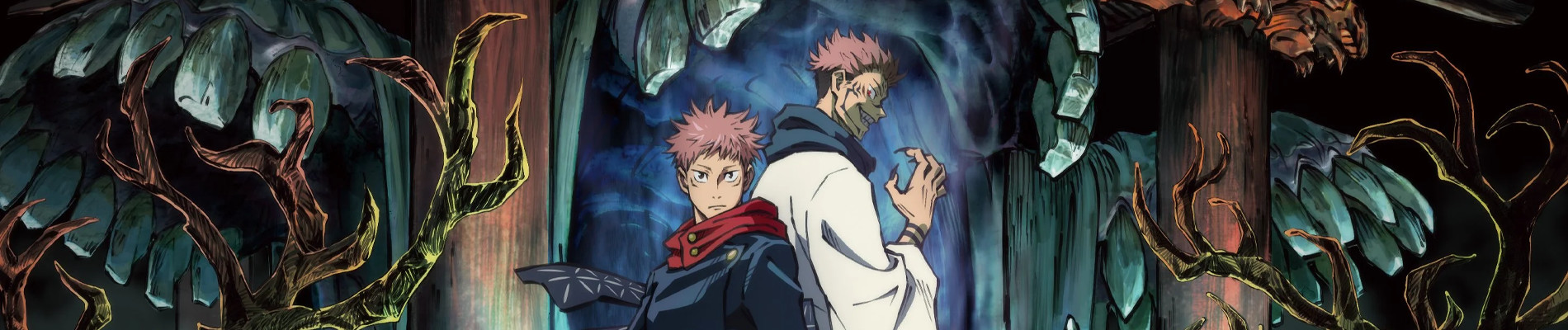
To truly understand why the ending of Jujutsu Kaisen sparked such intense debate across online communities, one must examine the narrative mechanics of its final arc. This article provides a comprehensive analysis of the story’s ultimate confrontation, breaking down character arcs, underlying philosophical conflicts, artistic execution, and the final legacy left behind by Yuji Itadori and Ryomen Sukuna.
---Spoiler-Free Executive Summary
The final phase of Jujutsu Kaisen centers around an all-out, gauntlet-style raid battle staged in Shinjuku. The remaining sorcerers of Jujutsu High deploy every tactical asset, cursed tool, and sacrifice necessary to defeat the ancient King of Curses, Ryomen Sukuna, and prevent the catastrophic Merger orchestrated by Kenjaku. Unlike traditional shonen climaxes that rely on power-ups derived from emotional friendship speeches, Akutami structures this final confrontation as an unforgiving war of attrition where victory requires profound ideological evolution, tragic self-sacrifice, and pragmatic desperation.
---In-Depth Narrative & Thematic Analysis
1. The Collision of Philosophies: Ideology Over Raw Power
At its core, Jujutsu Kaisen has always been a story about the weight of human existence and the definition of a "proper death". This thematic line reaches its zenith during Yuji Itadori's final confrontation with Sukuna. For most of the series, Sukuna represents total Darwinian individualism—the belief that the strong have a natural right to devour the weak and that life holds no intrinsic value beyond individual gratification.
Conversely, Yuji begins his journey burdened by his grandfather's curse to "help people" and his own self-destructive "cog mentality," believing his worth exists only in serving as an instrument to destroy curses. In the climax, Yuji undergoes a profound philosophical shift. He rejects both Sukuna's nihilistic hedonism and his own self-sacrificing tool-mentality, concluding that human life possesses absolute, inherent value simply through the act of living and making small memories. Ultimately, Sukuna is not defeated merely by physical force, but by Yuji’s overwhelming empathy—a force the King of Curses could neither comprehend nor break.
2. The Legacy of Satoru Gojo and the Next Generation
Satoru Gojo’s fight against Sukuna served as the catalyst for the entire final arc. While critics argued that Gojo’s eventual defeat diminished his character, a deeper analysis reveals it as the ultimate realization of his overarching dream. Gojo never wanted to be a solitary monster at the peak of the jujutsu world; he wanted to foster a strong, connected generation of allies who would never suffer the isolation he endured. The subsequent gauntlet—where Yuta Okkotsu, Maki Zen'in, Hiromi Higuruma, and Yuji Itadori step up to bridge the gap—proves that Gojo succeeded in changing the fundamental structure of jujutsu society.
3. Pacing and Narrative Missteps: Where the Arc Stumbled
Despite its philosophical strengths, the Shinjuku Showdown faced legitimate criticism regarding its structural pacing. The format of introducing a sorcerer, showcasing their Domain Expansion or secret technique, and having Sukuna dismantle them repeated continuously over months of serialization. Furthermore, several intriguing plot threads—such as the international military sub-plot and deeper lore regarding the Heian Era—were left largely unexplored, leaving world-building enthusiasts yearning for broader contextual closure.
---Visuals, Artistry & Sound Design (Anime Adaptation Potential)
While manga readers experienced the story through Akutami’s scratchy, dynamic, and kinetic penmanship, MAPPA's upcoming anime adaptation of these events carries monumental expectations.
- Art Style & Choreography: Akutami’s paneling during high-intensity fights utilizes spatial geometry and weight with masterclass precision. The panels depicting Black Flash impacts and Domain Expansion hand signs possess an explosive energy that translates effortlessly into high-fps key animation.
- Audio & Music Direction: The contrast between heavy, rhythmic electronic beats for modern sorcerers and traditional Japanese instrumentation for ancient curses (like Sukuna and Uraume) creates an incredible sonic landscape. The emotional climax calls for understated, poignant orchestral arrangements rather than triumphantly bombastic scores, accentuating the melancholy nature of Yuji's final choices.
- Voice Performance: Voice actors Junya Enoki (Yuji Itadori) and Junichi Suwabe (Ryomen Sukuna) deliver career-defining performances. Enoki's ability to channel grounded, quiet resolve rather than typical shonen screaming elevates the emotional maturity of the final chapters.
Pros & Cons of the Series Finale
Pros
- Subversive Climax: Rejects standard shonen power-of-friendship tropes in favor of tactical warfare and ideological debate.
- Character Arc Resolution: Yuji Itadori’s maturation from an insecure youth to a man of quiet, unbreakable conviction is exceptionally written.
- Unmatched Action Choreography: Features some of the most inventive dynamic combat systems, Domain interactions, and tactical team-ups in manga history.
- Strong Core Message: Delivers a poignant, grounded message about human value, death, and empathy over raw strength.
Cons
- Repetitive Boss-Fight Structure: The cycle of sorcerers entering the battlefield only to be quickly defeated fatigued some readers.
- Unresolved World-Building Elements: Certain sideplots, lore origins, and world-building details lacked complete closure.
- Abrupt Aftermath: The wind-down chapters following the battle felt brief compared to the length of the confrontation itself.
Final Conclusion & Verdict
Jujutsu Kaisen’s final arc may not have offered the clean, perfectly wrapped fairy-tale ending that traditional shonen audiences often expect, but it delivered something far more memorable: an uncompromising, visceral exploration of mortality, strength, and connection. Gege Akutami stayed true to the dark fantasy roots established in chapter one, giving readers a conclusion that prioritizes emotional authenticity over fan service.
Overall Rating: 8.5 / 10
Who This Series Is For: Recommended for fans of dark fantasy, complex magic systems, fast-paced tactical combat, and mature character explorations who appreciate unconventional narrative structures over standard shonen formulas.