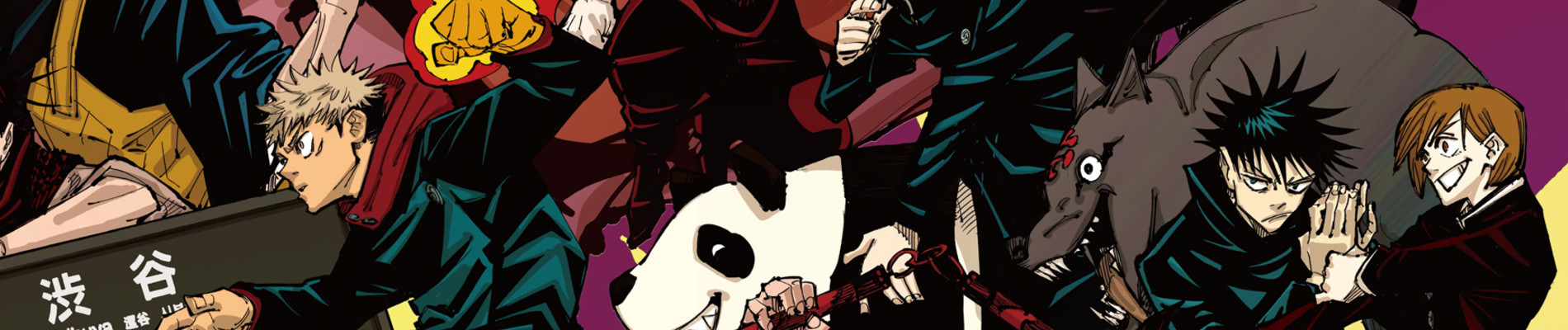
Introduction: The Aftermath of Shibuya and the Evolution of Jujutsu Kaisen
When Gege Akutami unleashed the Shibuya Incident, the foundational bedrock of Jujutsu Kaisen was irrevocably altered. The sealing of Satoru Gojo stripped modern jujutsu society of its singular pillar of absolute deterrence, pitching Japan into political chaos and exposing Tokyo to thousands of liberated cursed spirits. Following the high-octane emotional devastation of Season 2, Jujutsu Kaisen Season 3: The Culling Game (Part 1) arrived as one of the most anticipated television events in modern anime, officially debuting in January 2026 under director Shota Goshozono at Studio MAPPA.
Rather than resting on familiar shonen tropes, the narrative pivots into a brutal, multi-colony battle royale orchestrated by the ancient sorcerer Kenjaku. The shift represents a fundamental transformation in structural storytelling, transitioning from traditional urban exorcism encounters into an intricate, system-driven survival tournament. In this comprehensive analysis, we break down how Studio MAPPA tackled the staggering production hurdles of the Culling Game Arc, how Gege Akutami’s complex mechanical rules redefine shonen combat, and whether this intense saga delivers the thematic weight needed to match its technical brilliance.
Arc Summary (Spoiler-Free Overview)
The Culling Game is a ritualistic death match designed by Kenjaku to force the evolution of human consciousness across Japan by optimizing cursed energy and merging humanity with Master Tengen. Spread across ten distinct colonies locked under impassable barriers throughout Japan, participants—ranging from reincarnated sorcerers summoned from a thousand years ago to newly awakened modern sorcerers like Hiromi Higuruma—must kill or be killed to maintain their points. Failure to participate within strict timeframes results in cursed technique removal and immediate death.
Protagonist Yuji Itadori, burdened with immense guilt following Sukuna's rampage in Shibuya, enters the barrier alongside Megumi Fushiguro, Yuta Okkotsu, and Maki Zen'in. Their mission is multi-layered: recruit powerful allies, earn enough points to add new rules to the tournament, rescue Megumi's sister Tsumiki from her role as an involuntary participant, and find a way to unseal Satoru Gojo from the Prison Realm before Kenjaku's grand design reaches fruition.
In-Depth Narrative Analysis: Rules, Character Arcs, and Structural Deconstruction
1. The Mechanical Complexity of Kenjaku's Game Engine
Unlike standard anime tournament arcs that rely on bracket-style eliminations or straightforward survival arenas, the Culling Game functions like a living, breathing systemic game engine. Gege Akutami introduces eight core rules that mandate active bloodshed, point transfer mechanics, and rule addition capabilities via the game's automated administrator, the Shikigami Kogane. This structural design transforms every encounter into a cerebral puzzle. Battle outcomes are rarely determined by raw physical strength alone; instead, sorcerers must manipulate domain rules, exploit technicalities in binding vows, and utilize environmental domain expansion conditions to outsmart their opponents.
2. Hiromi Higuruma and Judicial Tragedy
One of the strongest narrative triumphs of the Culling Game Arc is the introduction of Hiromi Higuruma, a defense attorney whose disillusionment with Japan’s flawed criminal justice system manifests as a Domain Expansion modeled after a court of law (Deadly Sentencing). Higuruma's domain non-violently enforces a strict anti-violence rule while putting targets on trial, confiscating cursed techniques or imposing death sentences based on proven guilt. His dynamic clash with Yuji Itadori serves as a deep thematic reflection on personal guilt, moral responsibility, and system corruption. Yuji's willingness to confess to crimes committed by Sukuna during the Shibuya Incident—despite not being inherently responsible—highlights his tragic martyr complex and provides one of the most emotionally devastating moments of the arc.
3. Yuta Okkotsu and Maki Zen'in: The Heavy Hitters
The Culling Game cements Yuta Okkotsu's position as an absolute powerhouse within jujutsu society. Returning as a core protagonist after his introduction in Jujutsu Kaisen 0, Yuta's multi-front battles in the Sendai Colony against ancient sorcerers Ryu Ishigori and Takako Uro showcase a masterful balance of terrifying power and compassionate pragmatism. Concurrently, Maki Zen'in undergoes a horrific yet necessary transformation within the Zen'in clan estate, severing ties with her abusive family and emerging as a spiritual successor to Toji Fushiguro. Her arc dismantles traditional patriarchal clan hierarchies through sheer physical dominance, delivering some of the most harrowing narrative beats in the franchise.
Visuals, Audio, and Production Execution
Studio MAPPA's Visual Direction
Building on the directorial identity established in Season 2, director Shota Goshozono and MAPPA's animation team deliver a distinct cinematic grit for Season 3. The visual direction leverages expressive line work, dynamic lens choices, and spatial camera movements. The animation style moves fluently between fluid, hand-drawn sakuga character movement during high-stakes domain clashes and dark, atmospheric background art depicting abandoned urban Japanese colonies overrun by cursed spirits.
Soundtrack and Voice Performance
The musical score, composed by Yoshimasa Terui alongside returning composers Hiroaki Tsutsumi and Alisa Okehazama, shifts away from Shibuya's synthwave techno-thriller tracks toward heavy percussion, traditional Japanese instrumentation, and unsettling drone soundscapes. Voice actors Junya Enoki (Yuji Itadori) and Megumi Ogata (Yuta Okkotsu) deliver remarkable emotional depth, anchoring the immense physical action with raw human desperation and weight.
Pros & Cons
Pros
- Complex Combat Dynamics: Encounters feel strategic and intellect-driven due to intricate domain rules, binding vows, and tactical resource management.
- Outstanding New Character Cast: Figures like Hiromi Higuruma, Hajime Kashimo, and Fumihiko Takada bring fresh philosophical viewpoints and unique abilities to the narrative.
- Exceptional Production Values: MAPPA delivers cinematic choreography, punchy visual effects, and top-tier Domain Expansion visual renderings.
- High Narrative Stakes: The absence of Satoru Gojo creates genuine tension where key characters face permanent consequences and mortal danger.
Cons
- Expository Density: Long-winded explanations of complex cursed techniques and rule additions can occasionally slow down pacing during combat sequences.
- Narrative Fragmentation: Splitting the main party across multiple isolated colonies causes jumpy pacing between simultaneous plotlines.
Final Conclusion & Verdict
The Culling Game Arc demonstrates Jujutsu Kaisen's ability to evolve continuously without losing its dark urban fantasy roots. While the sheer density of rules and technical battle jargon may require close attention from viewers, the arc rewards fans with intricate strategic battles, profound moral dilemmas, and breathtaking animation craftsmanship.
Overall Rating: 9.2 / 10
Recommended for fans of strategic battle shonen, dark urban fantasy, dynamic battle royales, and high-tier animation production.