Introduction: When Science SARU Met Yukinobu Tatsu
In the contemporary landscape of shonen anime and manga, standing out requires either a radical deconstruction of traditional tropes or an absolute mastery of execution. Yukinobu Tatsu's Dan Da Dan (frequently stylized as Dandadan), serialized on Shueisha's Shonen Jump+ platform since 2021, somehow managed to achieve both simultaneously. Tatsu, a veteran manga assistant who previously sharpened his craft alongside industry titans like Tatsuki Fujimoto (Chainsaw Man) and Yuji Kaku (Hell's Paradise), unleashed a story that felt wholly unhinged yet meticulously crafted. When animation powerhouse Science SARU announced they would adapt the manga with director Fūga Yamashiro at the helm, expectations skyrocketed. Known for their fluid, boundary-pushing visual style in projects like Devilman Crybaby and Scott Pilgrim Takes Off, Science SARU felt like the only studio capable of capturing Tatsu's kinetic, hyper-detailed paneling.
The resulting anime adaptation is nothing short of a landmark achievement in modern television animation. By combining supernatural Yokai folklore, UFO/alien conspiracy theories, adolescent romance, and absurd toilet humor into a single cohesive narrative, Dan Da Dan establishes itself as one of the most distinctive anime releases of the decade. This comprehensive analysis delves into the narrative mechanics, character dynamics, visual craft, sound design, and underlying thematic depth that make Dan Da Dan a masterclass in modern storytelling.
Premise & Narrative Summary: A Cosmic Bet Gone Wild
Spoiler Warning: The following section outlines the core premise and foundational narrative arcs of Dan Da Dan Season 1.
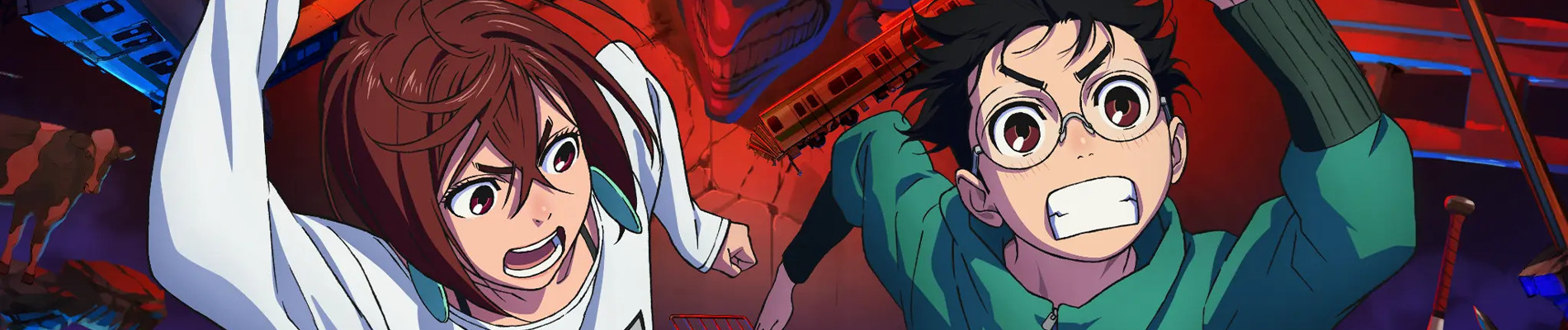
The story kicks off with a classic clash of fundamental beliefs between two high school outsiders in a quiet Japanese town. Momo Ayase is a bold, fiercely assertive high school girl raised by her unconventional grandmother, Seiko Ayase, a practicing spiritual medium. Because of her upbringing, Momo firmly believes in ghosts and spiritual entities while scoffing at the notion of extraterrestrial life. On the opposite end of the spectrum is Ken Takakura—nicknamed "Okarun" by Momo due to sharing his real name with her favorite actor—a socially isolated, bullied occult enthusiast who is obsessed with alien conspiracies but completely rejects spiritual supernaturalism.
To settle their fierce debate, the two make a foolish wager: Momo visits an abandoned hospital notorious for alien sightings, while Okarun investigates a haunted subterranean tunnel rumored to harbor malicious spirits. In a hilarious and terrifying twist of fate, both turn out to be entirely correct. Momo is captured by a group of telepathic extraterrestrials known as Serpoians, who seek to harvest her reproductive capabilities. Meanwhile, Okarun is ambushed and cursed by Turbo Granny, a terrifyingly fast urban legend Yokai.
When Momo awakens her latent psychokinetic abilities and rescues Okarun, Turbo Granny's curse attaches itself to Okarun's body, stealing his physical organs—specifically his golden balls (kintama)—and transforming him into a melancholic, high-speed skeletal demon. Thus begins an outlandish, high-octane quest across suburban Japan as Momo, Okarun, Seiko, and a growing cast of eccentric allies fight to reclaim Okarun's lost parts while defending Earth from escalating cosmic threats, rogue cryptids, and ancient curses.
In-Depth Analysis: Subverting Shonen Conventions Through Chaos and Connection
Character Dynamics: Momo Ayase and Okarun
At the beating heart of Dan Da Dan's chaotic storm lies one of the most endearing, organic central relationships in modern anime. Unlike traditional shonen narratives where romantic subplots linger in unexpressed limbo for hundreds of episodes or rely on exasperating misunderstandings, Momo and Okarun's dynamic is built on mutual vulnerability, instant chemistry, and genuine emotional safety.
Momo is a breath of fresh air as a female protagonist in mainstream shonen. She is decisive, loud, physically formidable, and unashamedly herself, yet she is also allowed to be emotionally vulnerable, romantic, and flawed. Her character arc does not revolve around catching up to male counterparts; she is an active driver of the plot and combat from frame one. Okarun, conversely, subverts the classic male power fantasy. He begins as a timid, self-deprecating boy driven into isolation by severe bullying. His transformed demon state does not make him an edgy, infallible badass; rather, it amplifies his inner sorrow and anxiety, turning his physical combat into an exercise in controlled desperation. Together, their interactions swing effortlessly between slapstick banter and tender, quiet moments where two lonely teenagers discover what it feels like to be truly seen and accepted by another person.
Thematic Core: Solitude, Found Family, and Transformed Grief
While Dan Da Dan advertises itself with bombastic battles and wild sci-fi/horror concepts, its thematic core is deeply humanistic. The series constantly explores how extreme isolation, traumatic loss, and societal neglect manifest as monstrous entities. Yukinobu Tatsu does not portray Yokai simply as evil beasts to be slain; they are tragic remnants of human suffering.
A prime example is the character arc of Turbo Granny and later the Acro-Silky Yokai. These spirits were born from acts of tragic violence, grief, and maternal sacrifice in the mortal realm. When Momo and Okarun confront these entities, the narrative shifts from high-speed action to intimate, heartbreaking explorations of empathy. The show posits that healing comes not through destruction, but through acknowledgment, memory, and the creation of a 'found family'—a theme mirrored in Momo's household, which becomes a haven for eccentric misfits, reclaimed spirits, and lonely teenagers.
Pacing and Tonal Equilibrium
Balancing cosmic horror, vulgar humor, emotional melodrama, and high-speed action is a tightrope act that would cause most series to collapse under their own weight. Dan Da Dan succeeds because director Fūga Yamashiro understands tonal cadence. The narrative moves at a breakneck speed, yet it knows precisely when to drop its kinetic momentum to let a quiet conversation resonate or let a horrific design linger on screen. The comedy acts as a crucial valve to release tension after grueling battles, preventing the story's dark undertones from becoming suffocating.
Visuals & Audio Breakdown: A Masterclass in Production
Animation & Art Direction (Science SARU)
Science SARU's execution of Dan Da Dan represents a milestone in TV animation craft. The studio translates Yukinobu Tatsu's intricate, detailed manga illustrations into a fluid, expressive visual grammar. Director Fūga Yamashiro utilizes aggressive camera rotations, fisheye perspectives, and dynamic key animation to emphasize spatial speed, particularly during Okarun's lightning-fast sprint sequences.
What truly distinguishes the visual presentation, however, is the revolutionary use of color theory. Science SARU departs from realistic color grading in favor of pop-art neon color shifts that dictate the emotional and supernatural atmosphere. When spiritual energy is unleashed, background palettes dissolve into vibrant magentas, lime greens, and deep indigos, signalling shifts in reality. High-tension horror sequences deliberately drop all color, reverting to raw, sketchy monochrome line art that pays homage to classic Japanese horror manga and Junji Ito's aesthetic.
Soundtrack, Audio Design, and Voice Performance
The auditory landscape of Dan Da Dan is equally groundbreaking. Renowned composer Kensuke Ushio (Chainsaw Man, A Silent Voice, Devilman Crybaby) delivers a score that defies genre boundaries. Merging heavy industrial techno, analog synth pulses, traditional Japanese percussion, and low-fidelity hip-hop beats, Ushio's music gives every battle scene an intoxicating, club-like rhythm that elevates the adrenaline on screen.
The opening theme song, "Otonoke" by hip-hop duo Creepy Nuts, became an instant global phenomenon, seamlessly matching the show's manic energy and lyrical themes of spiritual possession. On the voice acting front, Shion Wakayama delivers a tour-de-force performance as Momo Ayase, carrying her character's fiery attitude and emotional nuance with absolute conviction. Natsuki Hanae demonstrates incredible vocal range as Okarun, effortlessly shifting between his meek, stuttering high school voice and the raspy, melancholic groan of his cursed transformation.
Pros & Cons
Pros
- Unmatched Visual Direction: Science SARU delivers cinematic animation, inventive color shifts, and phenomenal camera work in every episode.
- Outstanding Lead Duo: Momo and Okarun possess genuine romantic chemistry, mutual respect, and compelling individual growth.
- Masterful Genre Hybridization: Flawlessly blends sci-fi aliens, folklore ghosts, high school romance, and absurd comedy.
- Electrifying Soundtrack: Kensuke Ushio's experimental electronic score and Creepy Nuts' opening theme create an unforgettable audio identity.
- Deep Emotional Core: Beneath the outrageous premise lies a poignant exploration of solitude, trauma, and empathy.
Cons
- Jarring Tone Shifts for First-Time Viewers: The sudden transitions between crude humor and severe cosmic horror can feel disorienting initially.
- Boundary-Pushing Sexualized Gag Humor: Early episodes feature alien gags and provocative scenarios that may alienate sensitive audiences.
- Relentless Pacing: The story rarely slows down, which may leave viewers craving more quiet, slice-of-life downtime between chaotic battle arcs.
Final Conclusion & Verdict
Dan Da Dan is a triumphant triumph of creative freedom and technical excellence in modern anime. By pairing Yukinobu Tatsu's wildly imaginative manga source material with Science SARU's uncompromising visual artistry, the series delivers a viewing experience that feels entirely fresh, chaotic, and emotionally resonant. It honors the fundamental appeals of the shonen genre—thrilling fights, heartfelt friendships, and personal growth—while ruthlessly dismantling the tired cliches that often hold the medium back.
Whether you are a seasoned anime veteran seeking cutting-edge animation or a casual viewer looking for a roller-coaster ride of humor, heart, and horror, Dan Da Dan is an absolute must-watch masterpiece.
Overall Score: 9.5 / 10
Recommended For: Fans of Chainsaw Man, Jujutsu Kaisen, Mob Psycho 100, supernatural folklore, high-octane animation, and genuine romantic subplots.