Introduction: The Unapologetic Triumph of Genre Collision
In an era where modern shonen anime frequently leans into grimdark melodrama or meticulously structured power systems, Dan Da Dan emerges as a glorious, chaotic breath of fresh air. Adapted from Yukinobu Tatsu’s wildly popular manga by the visionary team at Science SARU, the series achieved critical acclaim by fearlessly mixing seemingly incompatible elements: UFO abductions, folklore yokai, teen romance, high-octane battle sequences, and absurd comedy. On paper, a story about a spirit-believing gyaru and an alien-obsessed nerd battling genital-stealing ghosts and striped extraterrestrials sounds like a fever dream. Yet, under Science SARU's directional prowess, it transforms into one of the most vibrant and emotionally grounded works in recent memory.
What sets Dan Da Dan apart isn't merely its shock-value premise or rapid-fire comedic timing, but its underlying sincerity. Beneath the neon-soaked explosions and grotesque monster designs lies a tender exploration of adolescent isolation, trauma, and the universal craving for genuine human connection. This analytical deep-dive unpacks how the narrative framework, animation philosophy, audio design, and core thematic pillars operate in unison to redefine what a modern adaptation can achieve.
Series Summary: High Stakes and Supernatural Dares
Spoiler Warning: The following summary contains light structural spoilers for the opening arcs of Dan Da Dan.
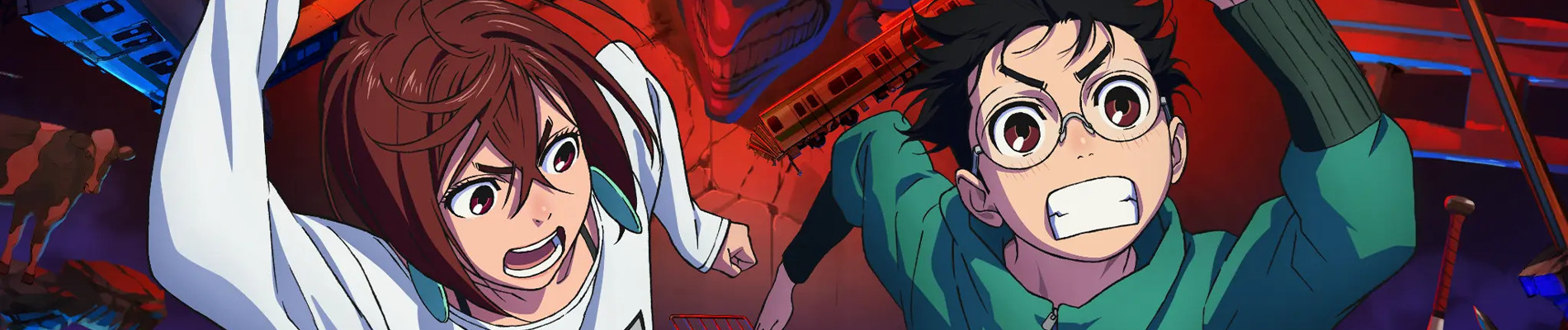
The narrative centers around two high school outsiders who hold opposite paranormal convictions. Momo Ayase comes from a line of spiritual mediums (raised by her eccentric grandmother, Seiko) and strictly believes in ghosts while remaining utterly skeptical of aliens. Conversely, Ken Takakura—whom Momo nicknames Okarun—is a socially isolated outcast obsessed with UFOs and cryptids, completely dismissive of spirits. To settle their debate, the duo enters a mutual dare: Momo visits an abandoned hospital known as an alien hotspot, while Okarun enters a cursed tunnel haunted by a notorious spirit.
In a twist of cosmic irony, both are proven immediately and horrifically correct. Momo is abducted by Serpoian aliens seeking human reproductive organs, unlocking her latent psychokinetic powers in the process. Simultaneously, Okarun is possessed by the terrifying Turbo Grandma, a high-speed yokai who curses him and steals his vital anatomy. Forced into an awkward partnership, Momo and Okarun must navigate a constant barrage of otherworldly threats, regain Okarun's lost body parts, and protect their town—all while navigating their budding, deeply earnest romantic feelings.
In-Depth Narrative & Character Analysis
1. Character Dynamics: Momo Ayase and Okarun
The heart of Dan Da Dan rests entirely on the dynamic between Momo and Okarun. Yukinobu Tatsu—a former assistant to Chainsaw Man author Tatsuki Fujimoto—infuses his leads with an authenticity that contrasts sharply with traditional shonen tropes. Momo is headstrong, fiery, and fiercely protective, yet she is far from an invulnerable powerhouse; her vulnerabilities and emotional baggage are given room to breathe. Okarun begins as timid and insecure, but his growth isn't a sudden transformation into a cool bad-boy; rather, his courage stems from his desire to protect the first person who ever truly saw and accepted him.
Their romantic tension feels remarkably natural. Rather than relying on exasperating misunderstandings, their bond grows through shared trauma, mutual respect, and quiet moments of emotional vulnerability amidst the insanity. The comedic beats never undermine their respect for one another, grounding the fantastical narrative in believable adolescent chemistry.
2. Theme Breakdown: Solitude, Acceptance, and Modern Folklore
At its core, Dan Da Dan uses monsters as metaphors for emotional alienation. The yokai encountered throughout the series—most notably Turbo Grandma and Acrobatic Silky—are not merely evil entities; they are manifestations of human tragedy, loss, and unfulfilled desires. The series frequently pauses its breakneck pace to give these tragic spirits poignant backstories, reminding the audience that malice often springs from profound pain. By confronting these spirits, Momo and Okarun process their own feelings of loneliness and build a found family of misfits.
Visuals & Audio Critique
1. Animation & Art Style (Science SARU)
Science SARU’s work on Dan Da Dan is nothing short of revolutionary for televised anime. Directed with hyper-kinetic energy, the studio utilizes a hybrid animation pipeline—blending traditional hand-drawn keys with digital dynamic in-betweens—allowing for extreme squash-and-stretch fluidity during battle scenes. Color theory is weaponized throughout the production: ghostly encounters are flooded with stark monochromatic grays punctuated by violent crimson hues, while alien encounters shift into glowing neon cyans and magentas. The perspective angles and fish-eye lens distortions replicate Tatsu’s breathtaking manga layouts with unmatched fidelity.
2. Soundtrack & Voice Acting
The musical score, composed by the acclaimed Kensuke Ushio (Devilman Crybaby, Chainsaw Man), is a masterwork of genre fusion. Shifting effortlessly from heavy electronic dance music and industrial synth-rock during combat to delicate, ambient acoustic arrangements during emotional beats, the audio design drives the narrative momentum. The voice performances elevate the material further: Shion Wakayama delivers a star-making performance as Momo, effortlessly swinging from aggressive comedy to soft intimacy, while Natsuki Hanae channels brilliant manic energy into Okarun’s transformed state.
Pros & Cons
Pros:
- Exceptional Animation Quality: Science SARU delivers cinematic fluidity, creative color palettes, and inventive camera work in every episode.
- Unmatched Pacing: The narrative wastes no time on unnecessary filler, jumping straight into high-stakes action while maintaining narrative coherence.
- Deeply Endearing Leads: Momo and Okarun rank among the most charming and authentically developed protagonist duos in modern shonen history.
- Stellar Sound Design: Kensuke Ushio’s soundtrack provides a distinct, unforgettable sonic identity.
Cons:
- Early Tonal Whiplash: The opening episodes feature intense, raunchy, and potentially unsettling content that may alienate sensitive viewers.
- Absurdist Humor Isn't for Everyone: The constant pivot from body horror to scatological or juvenile comedy can occasionally undermine high-tension moments.
Final Conclusion & Recommendation
Overall Score: 9.5 / 10
Dan Da Dan is a triumph of imagination and execution. It proves that anime adaptations do not need to choose between artistic experimentation and blockbuster entertainment. By honoring Yukinobu Tatsu’s wildly creative manga with world-class production values, Science SARU has delivered a defining work for this decade of anime.
Who is this show for? It is an absolute must-watch for fans of supernatural action, unconventional romances, horror-comedy, and high-concept animation. If you enjoy works like Chainsaw Man, Mob Psycho 100, or Jujutsu Kaisen, Dan Da Dan deserves a spot at the very top of your watchlist.