Introduction: The Transition from Television to Theatrical Cinema
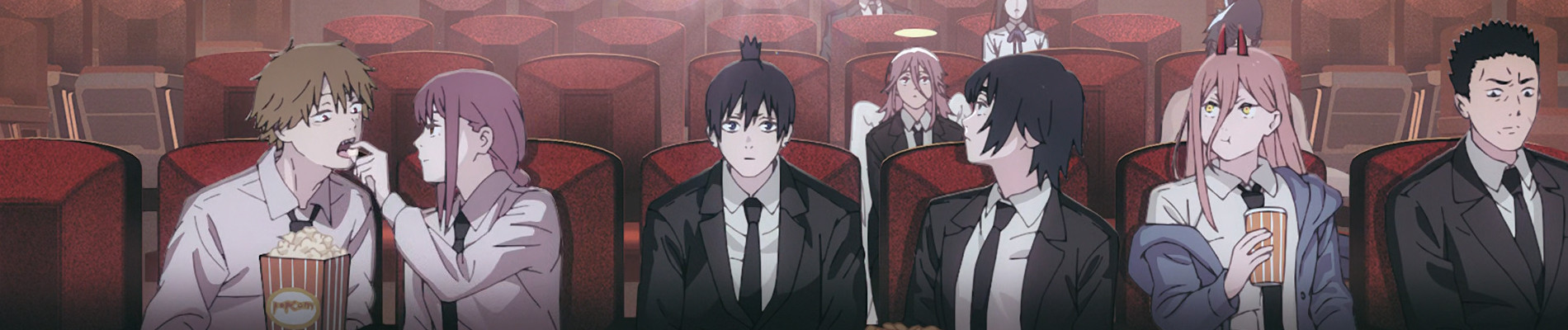
When Tatsuki Fujimoto’s Chainsaw Man made its television debut under Studio MAPPA, it immediately divided casual viewers and anime purists with its unorthodox, auteur-driven aesthetic. Rather than adopting the hyper-vibrant, exaggerated visual language typical of mainstream Weekly Shōnen Jump adaptations, season one leaned into live-action filmmaking grammar: subdued color palettes, grounded character physics, ambient environmental acoustics, and cinematic pacing. With the theatrical release of Chainsaw Man – The Movie: Reze Arc (adapting the celebrated Bomb Girl Arc from volumes 5 and 6 of the manga), MAPPA took that ambition to its logical zenith.
Directed by Tatsuya Yoshihara with screenwriting by Hiroshi Seko, the film adapts one of the most beloved and devastating storylines in modern dark fantasy. Bridging the chaotic aftermath of the Katana Man arc with the impending world-spanning dread of the International Assassins Arc, the Reze Arc is defined by volatile tonal shifts. It transitions seamlessly from a soft, rain-soaked coming-of-age romance into an unmitigated nightmare of military-grade devil warfare. By packaging this self-contained story as a 100-minute feature film rather than spreading it across episodic television, MAPPA provided its creative team the space required to craft a haunting masterpiece.
Narrative Summary: A Fleeting, Bittersweet Refuge
Warning: The following section contains story premises and structural spoilers for the Bomb Girl Arc. Major late-act plot twists are kept minimal.
Following the brutal clashes that decimated Public Safety Special Division 4, Denji finds himself caught in a mundane routine of Devil Hunting, lingering grief, and unfulfilled longing for emotional intimacy. While his obsession with Makima continues to govern his aspirations, his lived reality is defined by basic desires: consistent meals, a warm bed, and someone who views him as a human being rather than a weaponized chainsaw hybrid.
Enter Reze. On a rainy afternoon, while ducking into a secluded phone booth to escape a downpour, Denji meets a charming, soft-spoken girl who works at a local coffee shop. Unlike the rigid, manipulative atmosphere of Public Safety, Reze treats Denji with gentle warmth and playfulness. She teaches him how to swim in a moonlit school pool, laughs at his lack of formal education, and offers him a wild dream: escaping Tokyo together to start a new life. However, in Tatsuki Fujimoto’s world, genuine affection is rarely untainted by horror. As secret international intelligence networks close in on Denji’s heart, Reze’s true identity as a Soviet military weapon—the lethal Bomb Hybrid—ignites a devastating inferno across the city.
In-Depth Character & Thematic Analysis
Denji’s Vulnerable Pursuit of Belonging
At the psychological core of Chainsaw Man lies a fundamental crisis of basic human needs. Having spent his formative childhood starving in extreme poverty to pay off his deceased father’s debt to the Yakuza, Denji skipped the developmental milestones necessary to understand healthy affection, personal boundaries, or self-worth. He operates purely on instinct and external validation.
In the Reze Arc, Denji’s character arc exposes the profound loneliness beneath his crude, adolescent exterior. When Reze offers him unconditional warmth, Denji experiences an agonizing internal conflict: should he remain loyal to his idolized, untouchable fantasy of Makima, or choose the tangible, immediate comfort offered by Reze? His eventual willingness to flee Tokyo with Reze marks a critical shift in his maturity. For the first time, Denji contemplates rejecting his subservient role in Public Safety in pursuit of personal happiness and human connection.
Reze: The Mirage of Choice and the Soviet Legacy
Reze stands as one of the most complex figures in Tatsuki Fujimoto’s bibliography. Introduced through the lens of a classic romantic archetype, her character quickly subverts expectations to reveal a victim of state-sponsored child exploitation. Raised in secret Soviet military laboratories as a human subject trained to host the Bomb Devil, Reze’s existence was engineered entirely for espionage, stealth, and mass destruction.
What renders Reze so captivating is the emotional ambiguity woven into her interactions with Denji. Her initial seduction of him is a calculated military mission designed to extract the Chainsaw Devil’s heart (Pochita). Yet, as she spends time with Denji, she recognizes a mirror image of her own stolen youth. Both are child soldiers stripped of normal upbringing, weaponized by powerful handlers, and trapped in institutional cages. The tragedy of their relationship is that even when her feelings blossom into genuine affection, the systems controlling them leave no space for freedom.
Thematic Foundations: Instrumentalization and the Fable of the Mice
The film delves deeply into the theme of instrumentalization versus human agency. Both Public Safety (representing Japanese state authority) and Soviet intelligence treat Denji and Reze not as individuals, but as strategic military assets. Reze’s transformation mechanism—pulling a grenade pin embedded in her neck—serves as a striking visual metaphor for self-annihilation: to fulfill her designated function, she must literally detonate her own body.
This thematic weight culminates in the famous dialogue surrounding Aesop’s fable of The City Mouse and the Country Mouse. The city mouse enjoys luxurious food at the constant risk of danger and death, while the country mouse lives a simple, safe life in poverty. Denji initially chooses the city mouse lifestyle for its immediate pleasures, whereas Reze longs desperately to be the country mouse—safe, peaceful, and unremarkable. The tragedy lies in the reality that neither character is permitted to choose their own path in a world dominated by Devil Hunters and global superpowers.
Visuals & Audio: Cinematic Kineticism and Orchestral Elegance
Animation Craftsmanship and Action Choreography
Under the direction of Tatsuya Yoshihara, Studio MAPPA delivered some of the most impressive animation sequences in modern anime history. The character designs by Kazutaka Sugiyama preserve the grounded proportions of season one while accommodating hyper-fluid movement during high-stakes combat.
The battle choreography during the Bomb Hybrid’s rampage is remarkable for its weight and spatial clarity. As Reze propels herself through Shinjuku using localized blast waves, the camera movement simulates a handheld lens, creating an incredible sense of momentum and physical impact. Furthermore, the integration of 2D character animation with complex 3D environments is virtually seamless. Contrasting these kinetic battles are quiet visual moments—rain flickering against illuminated telephone booths, reflections in night-time puddles, and soft underwater lighting during the swimming pool scene—that ground the story's emotional weight.
Musical Masterpiece: Kensuke Ushio, Kenshi Yonezu, and Hikaru Utada
The auditory landscape of the Reze Arc elevates the film into an unforgettable artistic experience. Renowned composer Kensuke Ushio departed from the purely electronic, industrial textures of the TV series to incorporate a full orchestral soundscape. Titled summer's end, Ushio's score contrasts delicate piano and string arrangements during intimate conversations with thunderous, chaotic orchestral arrangements during action scenes.
The soundtrack is further bolstered by powerhouse vocal contributions. Kenshi Yonezu returned to compose the film's main theme "IRIS OUT", alongside the haunting ending track "JANE DOE", performed in collaboration with legendary pop icon Hikaru Utada. These musical pieces emphasize the lingering melancholy of the story's climax.
Voice Performances
The voice cast delivers stellar performances across the board. Kikunosuke Toya captures Denji’s adolescent confusion, explosive enthusiasm, and quiet sorrow with authentic vulnerability. Meanwhile, Reina Ueda gives a career-defining performance as Reze, balancing effortless charm, playful teasing, and chilling tactical lethality.
Pros and Cons
Pros
- Impeccable Pacing: Adapting a focused 12-chapter manga arc into a 100-minute feature film ensures zero narrative bloat or unnecessary filler.
- Visual Excellence: Feature-film budget production values allow Studio MAPPA and director Tatsuya Yoshihara to deliver astounding action and lighting design.
- Profound Emotional Impact: Balances visceral horror and destruction with a deeply tragic character study on loneliness and weaponization.
- World-Class Score: Kensuke Ushio’s orchestral score alongside tracks by Kenshi Yonezu and Hikaru Utada creates an atmospheric auditory experience.
Cons
- High Barrier to Entry: The film is a direct narrative sequel to season one, making it unapproachable for complete newcomers.
- Abrupt Tonal Shifts: The sudden transition from intimate romantic drama to intense military destruction may surprise viewers unaccustomed to Tatsuki Fujimoto's storytelling style.
Final Conclusion & Recommendation
Overall Rating: 9.5 / 10
Chainsaw Man – The Movie: Reze Arc represents the pinnacle of modern anime cinema. It faithfully translates Tatsuki Fujimoto’s unique blend of dark romanticism, existential melancholy, and explosive horror onto the big screen. Studio MAPPA, Tatsuya Yoshihara, and Kensuke Ushio have crafted a film that stands alongside the finest feature adaptations in the medium.
Who Is This For? This film is a mandatory watch for fans of Chainsaw Man, dark fantasy enthusiasts, and viewers who appreciate kinetic action paired with tragic character studies. If you enjoyed the grounded storytelling of season one, the Reze Arc delivers an unforgettable cinematic journey.